Former Ice Dancing Gold Medal Winner Christopher Dean. In the 1984 Winter Olympics in Sarajevo he and his dance partner, Jayne Torvill received nine perfect marks, and a gold medal for their flawless performance. Now Dean works as a choreographer. He'll talk with Barbara Bogaev about the art of ice dancing, and about this year's Olympics.
The sport of snowboarding was admitted into the Olympics for the first time this year. Jake Burton is one of founders of the sport. He began making snowboards 20 years ago in his Vermont garage, experimenting with design and materials until he got the kind of board he envisioned. His company is Burton Snowboards (in Burlington, Vermont).
Artist, writer, folklorist, photographer Roger Manley was the guest curator of two exhibits at the American Visionary Art Museum in Baltimore: "The Tree of Life" (w/a companion catalogue) and "The End is Near!" The museum opened in 1995. Using the Native American tradition of a personal vision quest as it's model for the kind of work it wants to present, the museum is dedicated to showing and promoting the work of self-taught, intuitive artists. (The phone number for AVAM is 410-244-1900). Manley will discuss visionary art.
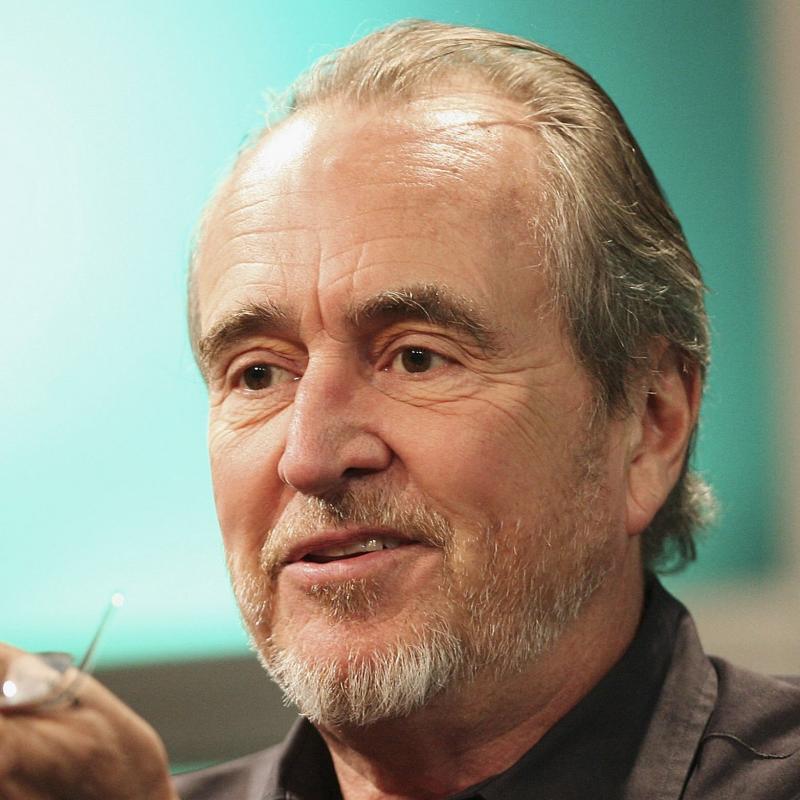
Wes Craven, one of the foremost directors of horror films. His credits include "Last House on the Left," "The Hills Have Eyes," and "Nightmare on Elm Street." His latest film is "Scream 2" the sequel to his 1996 film "Scream." Both are horror films that poke fun at the genre.
Jeff Getty is an animal-human transplant recipient who advocates continued research in this field. Getty, who has AIDS, recieved bone marrow from a baboon in an effort to jump-start his immune system. Getty vehemently opposes proposed moratorium on animal-human transplant research.
Dr. Fritz H. Bach is a professor of surgery at Harvard University. He is a specialist in Animal-human transplant operations. Last month, he and six other public health experts and bioethicists called upon the U.S. government to issue a moratorium on Animal-Human transplants. Bach says there is a risk that an animal virus could genetically mutate in a human recipient and spread among the general population.
Historian Stanley Kutler. He's edited a collection of the most recently released Nixon tapes." The book is titled "Abuse of Power" (The Free Press). Kutler sued the National Archives and the Nixon Estate for the release of 3000 hours of tapes in 1996, 200 hours of which are now available. Kutler is also the author of "The Wars of Watergate," and historical advisor for the television documentary, "Watergate." (REBROADCAST from 11/19/97)
Author and physician Abraham Verghese talks with Terry about his recent article in the Feb 16th issue of The New Yorker, about sexual addiction: "The Pathology of Sex: Why can't some people stop having it." Verghese is also the author of the 1994 memoir "My Own Country," (Simon & Schuster) about his experiences treating AIDS in rural America.
Actor Gary Oldman. He's making his writing and directed debut with the new film "Nil by Mouth," based on his South London childhood. The critically acclaimed film prompted this from The New Yorker's Anthony Lane, ". . . this movie is something else.
Journalists James Risen, investigative reporter for the Los Angeles Times, and Judy Thomas, reporter for the Kansas City Star. The two have collaborated on the new book "Wrath of Angels: The American Abortion War" (BasicBooks) about the rise of the anti-abortion movement. They'll talk about the movement, and about recent events, like the bombing of the women's clinic in Birmingham, Alabama in which a security guard was killed.
Food writer Jean Anderson. She writes regularly for the magazines Gourmet, Food & Wine, Family Circle, and Bon Appetit. She's also written over 20 cookbooks. Her latest is "The American Century Cookbook: The Most Popular Recipies of the Twentieth Century." (Crown Publishing). The book includes such classic recipies as Green Bean Casserole, Chicken Divan, and Stroganoff Casserole.
Music critic Milo Miles reviews "Hwy X" (Omnium Records) by the Reptile Palace Orchestra from Wisconsin, and "Karnak" (Tinder Records) by the band named Karnak from Brazil.
Frontline correspondent and Harvard University professor Henry Louis Gates, Jr. Gates hosts a Frontline segment called "Two Nations of Black America" which airs Tuesday night on PBS. Today, America has the largest black middle class in its history, yet half of all black children are born into poverty. (Interview by Barbara Bogaev)
Book Critic Maureen Corrigan reviews "Birthday Letters" by English poet Ted Hughes. (Farrar, Straus & Giroux) This is the much anticipated collection by Hughes who was once married to American poet Sylvia Plath. Many blame Hughes for Plath's suicide in 1963 after he left her for another woman.
New York Times Science Correspondent Sheryl Gay Stolberg talks about the comeback of the drug Thalidomide. In the 1960s the drug was banned worldwide after it produced a generation of babies with missing and stunted limbs. But it is now showing promise in treating leprosy and several other ailments including AIDS. (Interview by Barbara Bogaev)
In the movie "Titanic," the band's last song is "Nearer My God To Thee." But Ian Whitcomb says it's not true. Whitcomb is an expert on early 20th century pop music. His new CD "Titanic" features some of the songs performed by the band on the Titanic, with the same arrangements they used.
Rock Critic Ken Tucker reviews two recent releases: Jim Lauderdale's "Whisper," and Buddy Miller's "Poison Love". Both albums have been categorized as "alternative country" and Tucker says in a time of "overblown big stars" that label may be a marketing enhancement.